
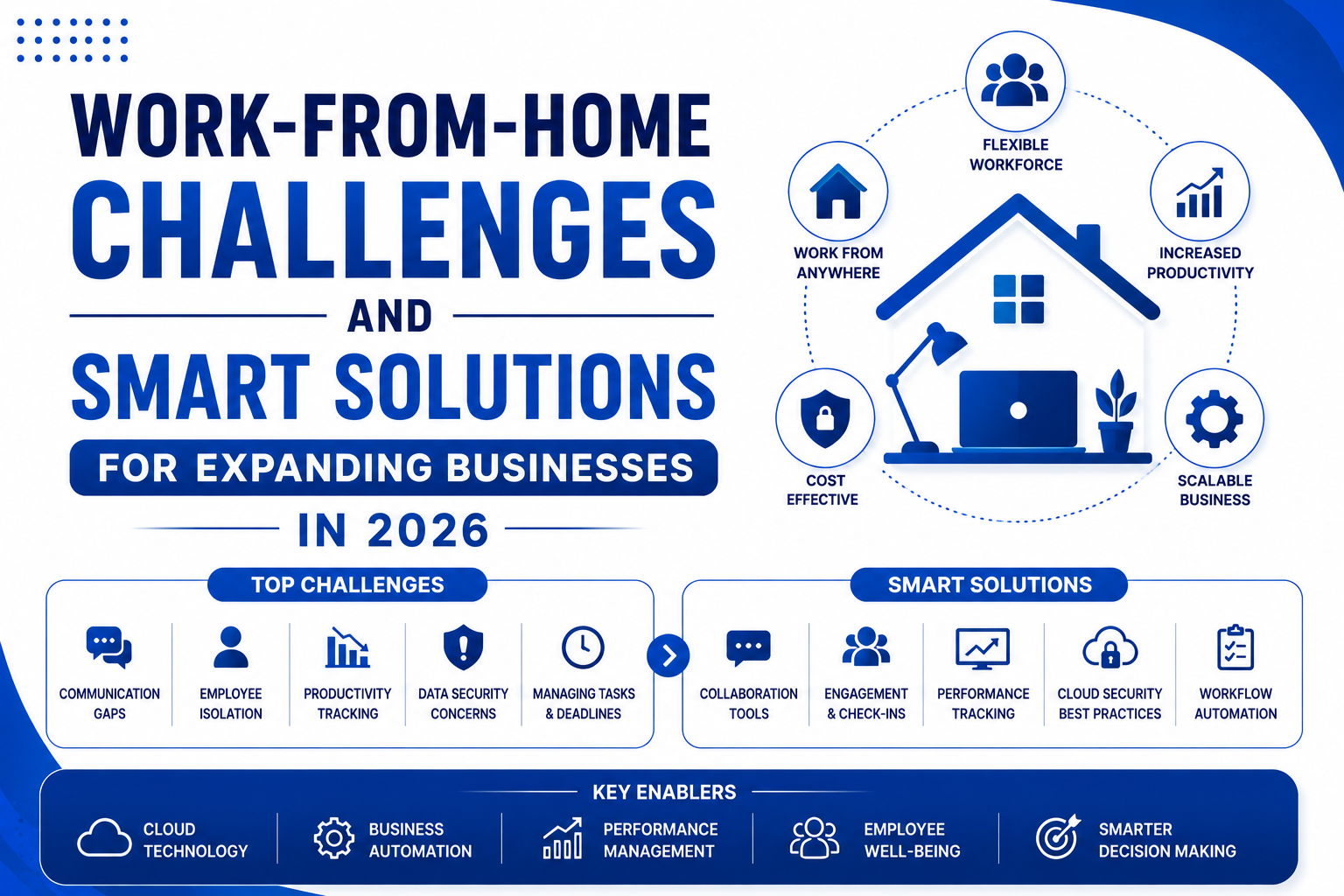
The Work From Home (WFH) model has evolved from a temporary business strategy into a permanent part of the modern workplace. In 2026, organizations across industries are embracing remote work and hybrid work to attract talent, reduce operational costs, and improve employee flexibility. However, while remote work offers numerous advantages, it also introduces challenges that can impact productivity, communication, collaboration, and business growth.
Growing businesses need more than video meetings and messaging apps to manage distributed teams effectively. They require business automation, cloud-based collaboration, and AI-powered workflow management to maintain efficiency and achieve sustainable growth.
In this blog, we'll explore the biggest Work From Home challenges businesses face and the smartest solutions that help organizations thrive in today's digital workplace.
Why Home-Based Work Is Here to Stay
Businesses have realized that employees can remain productive regardless of location when equipped with the right technology. Modern companies now prioritize:
Flexible working models
Digital workplace solutions
Cloud-based business applications
AI-powered collaboration
Employee well-being
However, effective methods and procedures are necessary for remote work to be successful.
Top Work From Home Challenges
1. Communication Gaps
One of the biggest remote work challenges is ineffective communication.
Employees working from different locations often experience:
Delayed responses
Misunderstood instructions
Missed project updates
Lack of collaboration
Information silos
Without face-to-face engagement, even minor communication issues can become big productivity bottlenecks.
Smart Solution
Use centralized communication platforms that combine:
Team chat
Video meetings
Task discussions
File sharing
Project updates
Keeping every conversation connected to work improves transparency.
2. Difficulty Tracking Employee Productivity
Managers often struggle to understand:
Who is working on what?
Which tasks are delayed?
How much work is completed?
Which projects need attention?
Traditional management methods don't work effectively in remote environments.
Smart Solution
Implement employee productivity software with:
Task tracking
Time monitoring
Progress dashboards
Performance reports
Goal management
Real-time visibility allows managers to support employees instead of constantly following up.
3. Poor Task Management
Remote employees often receive work through:
Emails
WhatsApp
Phone calls
Excel sheets
Sticky notes
This fragmented approach causes missed deadlines and confusion.
Smart Solution
Use workflow automation software that enables:
Task assignment
Priority management
Automated reminders
Deadline tracking
Project timelines
Everyone knows what needs to be done.
4. Cybersecurity Risks
Remote work increases cybersecurity threats because employees access business systems from:
Home Wi-Fi
Public internet
Personal devices
Mobile phones
Without proper security, sensitive business data becomes vulnerable.
Smart Solution
Businesses should invest in:
Cloud security
Multi-factor authentication
VPN access
Secure document sharing
Regular cybersecurity training
Protecting business data is essential for customer trust.
5. Employee Isolation and Burnout
Working from home provides flexibility, but it can also result in
Loneliness
Stress
Burnout
Lack of motivation
Reduced engagement
Employees need connection beyond work tasks.
Smart Solution
Encourage:
Virtual team meetings
Online recognition programs
Wellness initiatives
Flexible schedules
Regular one-on-one discussions
A healthy workforce is a productive workforce.
6. Difficulty Managing Multiple Projects
Growing businesses often manage dozens of projects simultaneously.
Without centralized visibility:
Priorities become unclear.
Resources are overloaded.
Deadlines slip.
Teams duplicate work.
Smart Solution
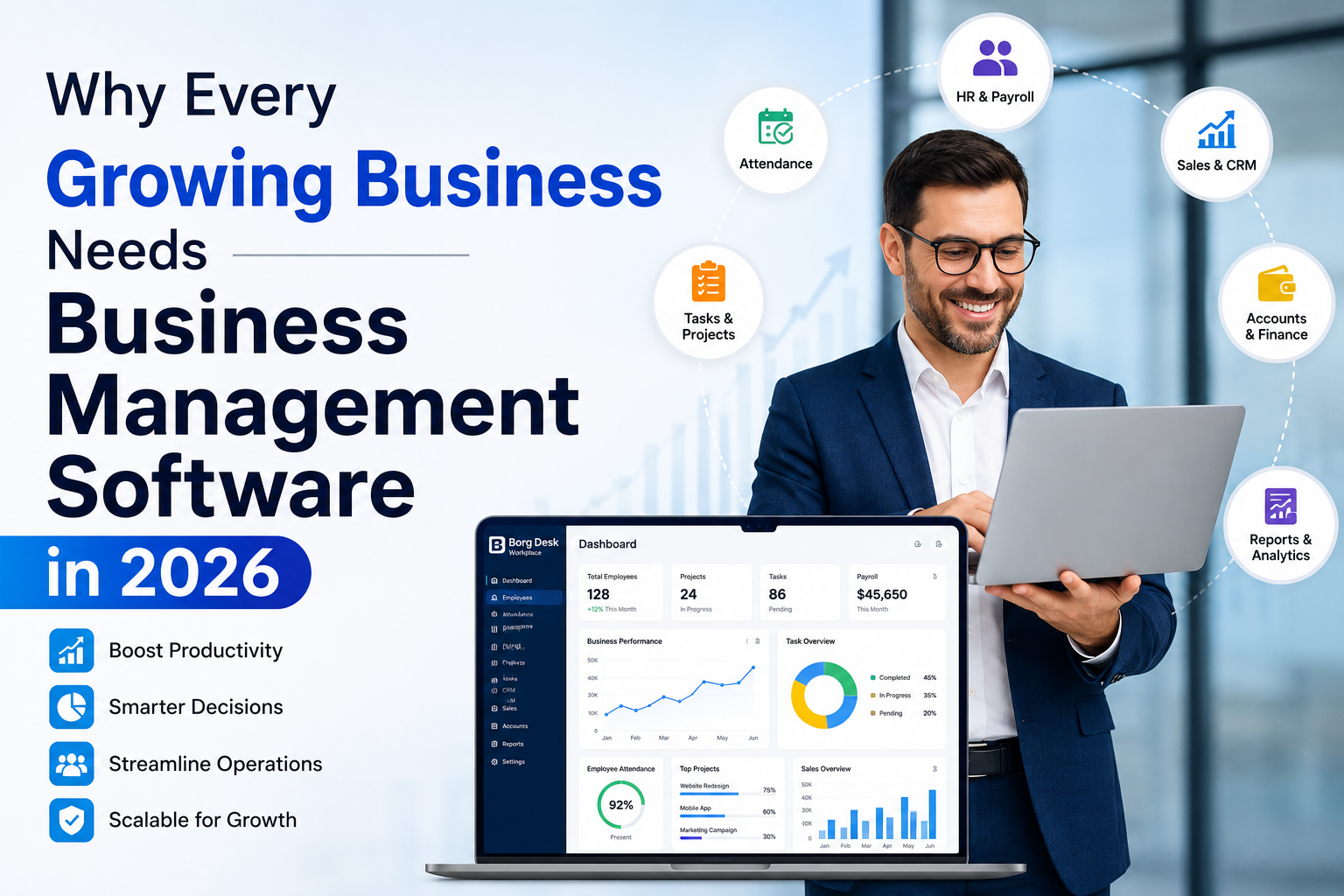
Modern project management software helps businesses:
Organize projects
Track milestones
Allocate resources
Monitor deadlines
Generate progress reports
This improves project delivery and customer satisfaction.
7. Lack of Business Process Automation
Many businesses still rely on manual procedures for:
Lead management
HR approvals
Customer support
Sales follow-ups
Expense approvals
Manual work slows down remote teams.
Smart Solution
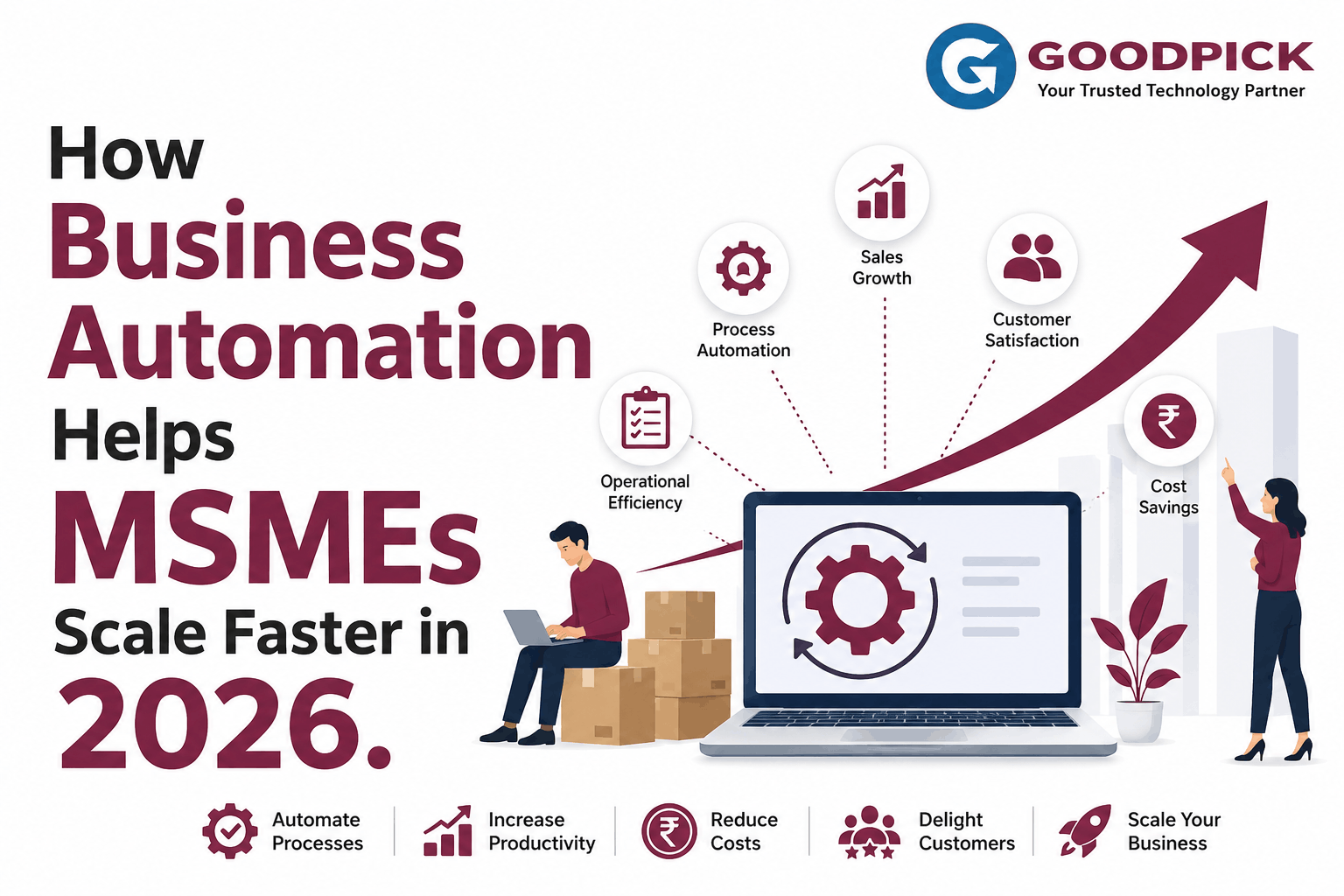
Adopt business automation software to automate repetitive workflows, allowing employees to focus on high-value activities.
Automation improves speed, accuracy, and efficiency.
Technologies Powering Successful Work From Home Teams
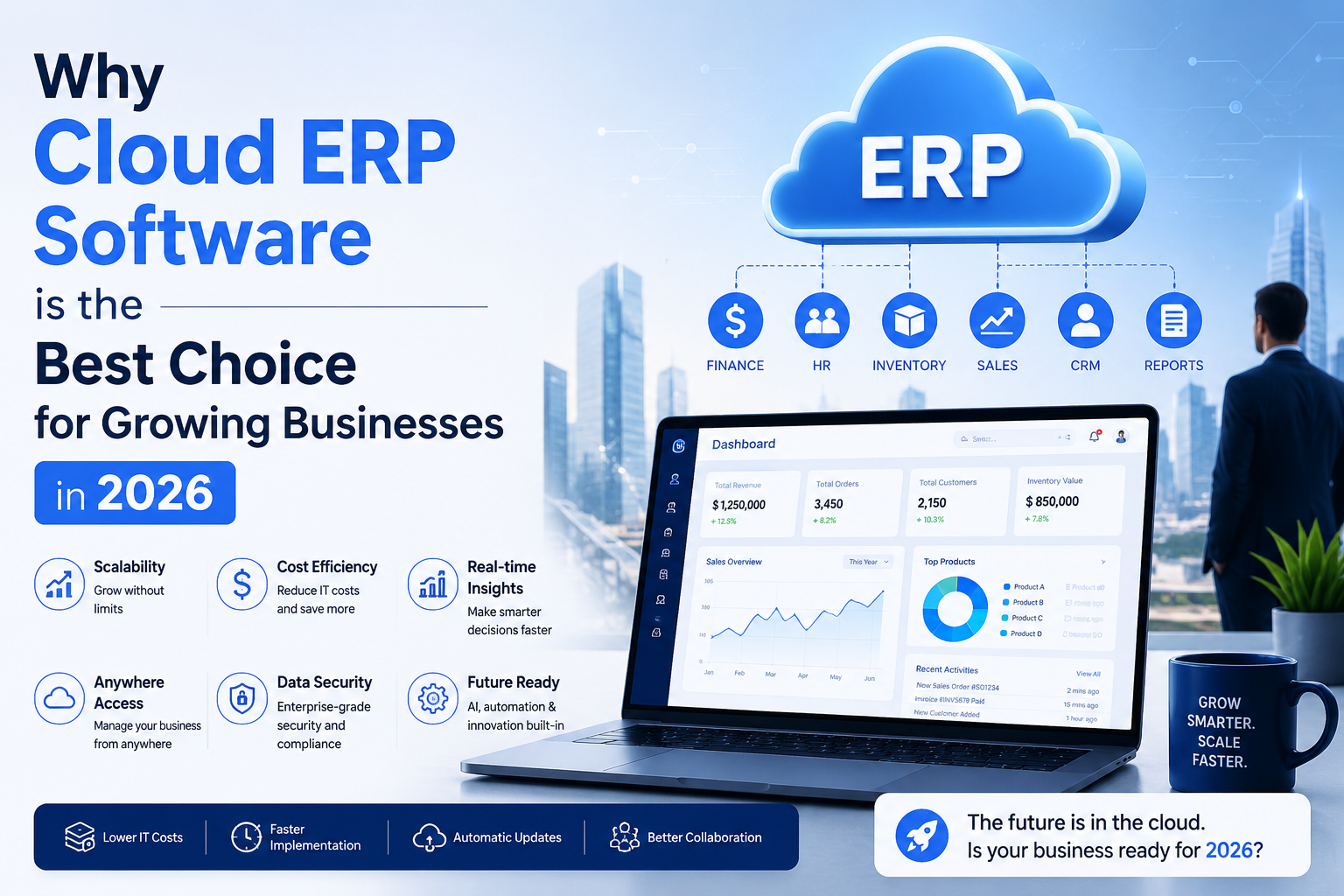
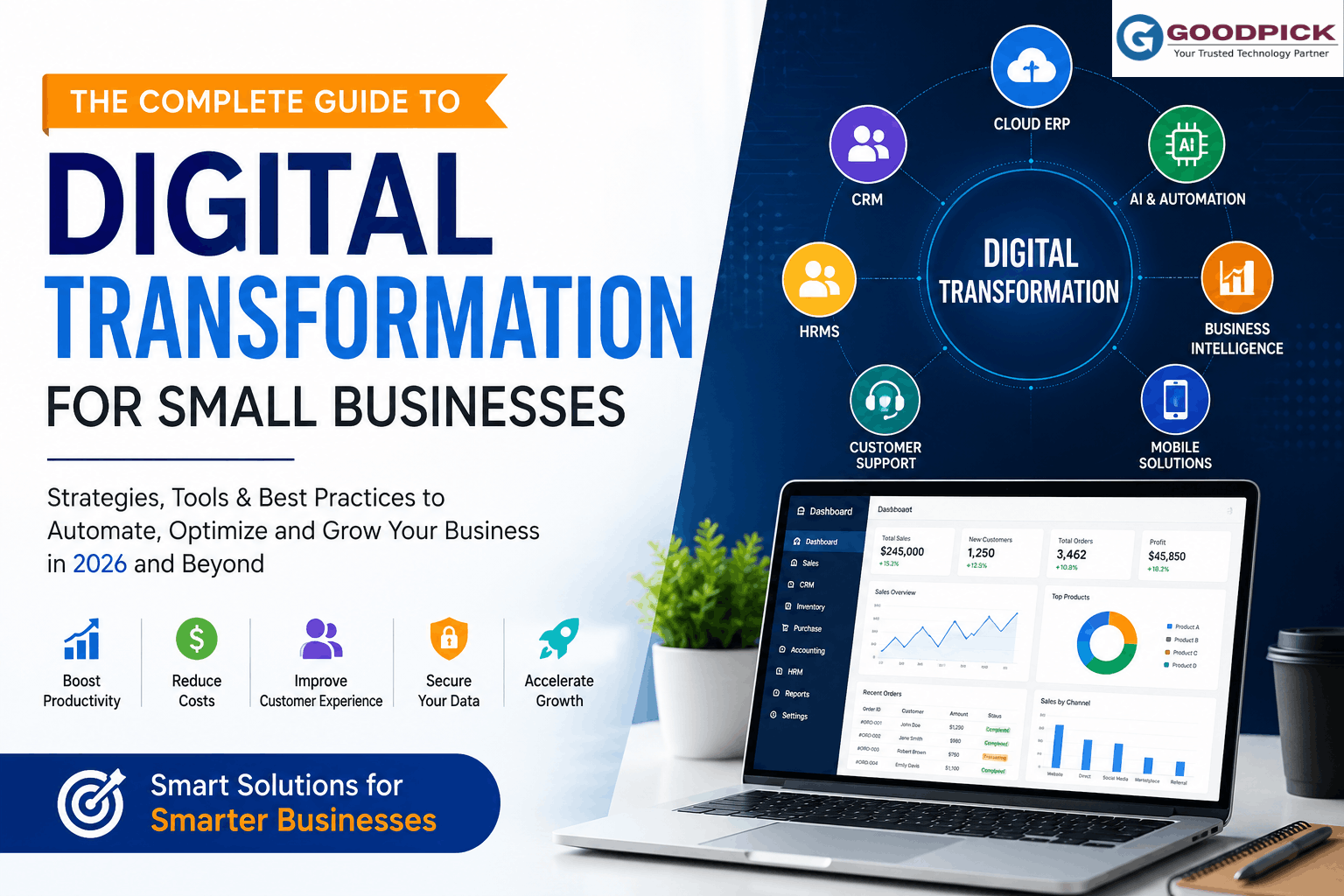
Cloud ERP
A Cloud ERP system centralizes business operations across finance, HR, inventory, sales, procurement, and reporting, giving employees secure access to real-time information from anywhere.
CRM Software
Modern CRM software helps remote sales teams:
Track leads
Manage follow-ups
Schedule meetings
Monitor pipelines
Improve customer relationships
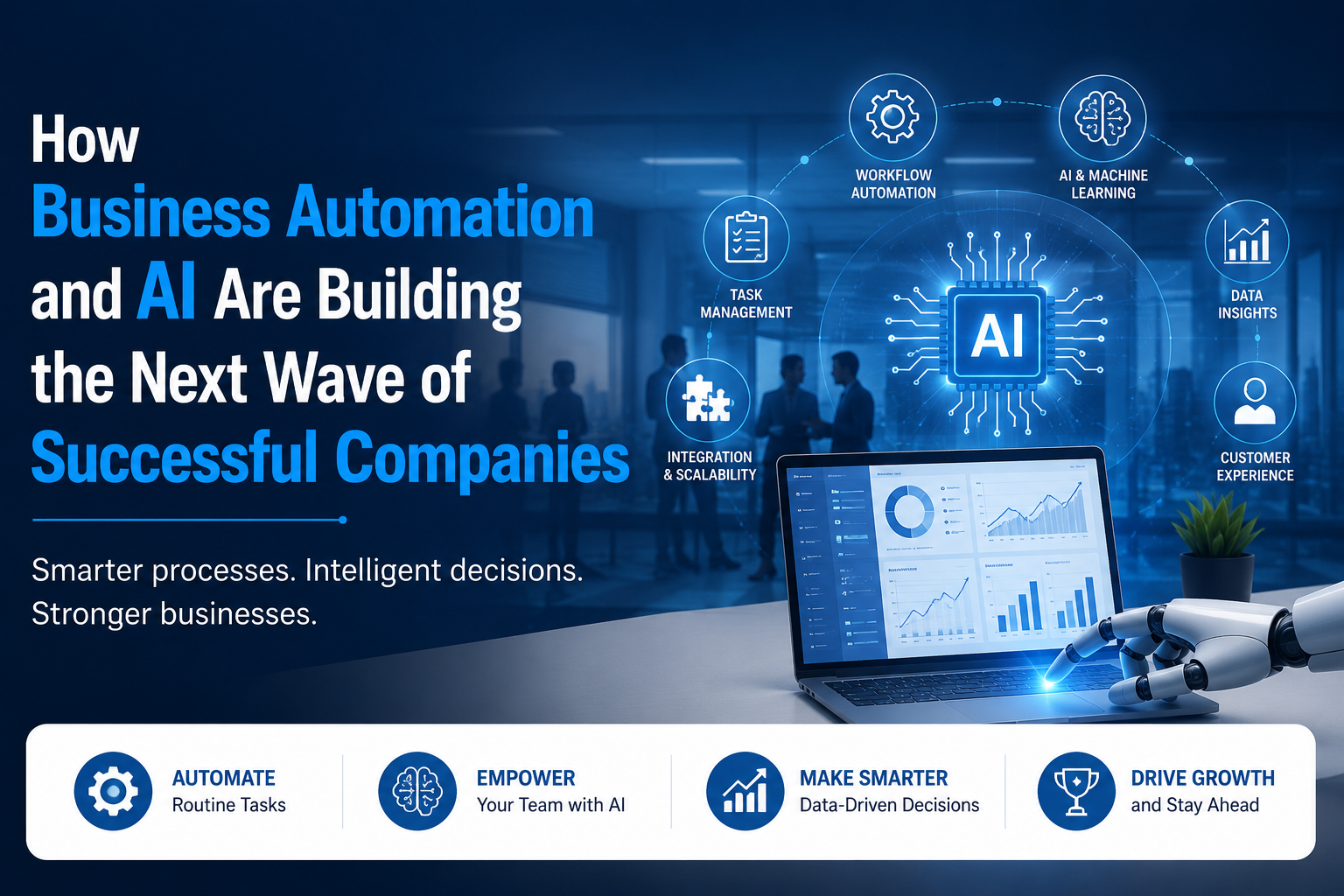
AI-Powered Collaboration
Artificial Intelligence enhances remote work by:
Scheduling meetings
Summarizing discussions
Prioritizing tasks
Automating routine workflows
Providing business insights
AI reduces administrative work and helps employees focus on strategic tasks.
Best Practices for Growing Businesses
Businesses adopting Work From Home should follow these practices:
Set clear communication guidelines.
Define measurable goals and KPIs.
Automate repetitive processes.
Use cloud-based collaboration tools.
Provide cybersecurity training.
Conduct regular performance reviews.
Encourage employee engagement.
Monitor workload to prevent burnout.
Invest in scalable digital workplace solutions.
Continuously improve workflows using analytics.
Benefits of Solving Work From Home Challenges
Organizations that address remote work issues experience:
Higher employee productivity
Better collaboration
Faster project delivery
Improved customer service
Reduced operational costs
Stronger employee satisfaction
Better decision-making with real-time data
Increased business agility
Enhanced data security
Sustainable business growth
With the right technology, remote work becomes a competitive advantage rather than a challenge.
The Future of Work From Home
The future workplace will be increasingly powered by:
Artificial Intelligence
Workflow Automation
Cloud ERP
AI Assistants
Predictive Analytics
Smart Collaboration Platforms
Digital Employee Experience Solutions
As businesses continue to grow, success will depend on how effectively they combine people, processes, and technology.
Companies that embrace automation and cloud-based tools will be better equipped to manage distributed teams, improve productivity, and deliver exceptional customer experiences.
Conclusion
Work From Home is no longer just a workplace trend—it's a strategic business model. While remote work introduces challenges such as communication gaps, productivity tracking, cybersecurity concerns, and workflow inefficiencies, these obstacles can be overcome with the right digital solutions.
By investing in Business Automation, Cloud ERP, Remote Team Management Software, Workflow Automation, Project Management Software, and AI-powered collaboration tools, growing businesses can build resilient, productive, and future-ready teams.
Organizations that prioritize digital transformation today will be better positioned to compete, innovate, and grow in the evolving world of work.






No comments found